
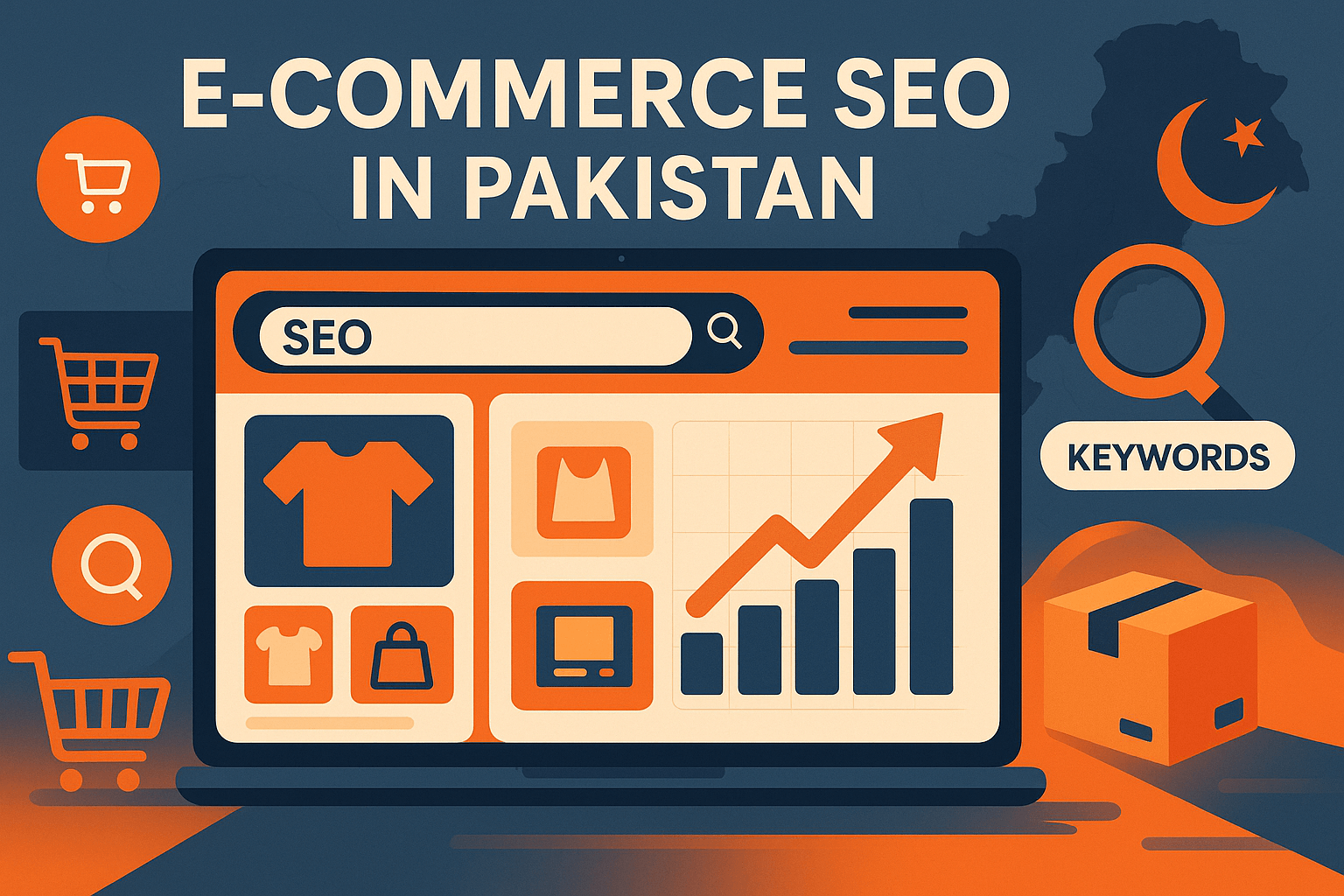
Selling online in Pakistan means competing with large marketplaces such as Daraz, with shops that run entirely on social media, and with stores that stock the same products at similar prices. Search is one place where a smaller store can still be found by people who already know what they want. This guide covers what matters most for a Pakistani store, from keyword research to reviews.
Why E-commerce SEO Matters in Pakistan
A few sourced numbers help set expectations. DataReportal's Pakistan report, using data from October 2025, counts about 117 million internet users, or 45.6 percent of the population (DataReportal). That is a big audience, though more than half the country is not online yet. On the search side, StatCounter's figures for October 2026 show Google handling roughly 95 percent of searches in Pakistan, with Bing at about 4 percent (StatCounter). In practice, optimizing for Google covers nearly all your search traffic.
Payment habits also shape what shoppers want to see. A Gallup & Gilani Pakistan survey, reported by Dawn in December 2025, found that six in ten respondents preferred cash on delivery when shopping online (Dawn). If you offer it, say so on product pages, beside your delivery times and return policy. That will not lift rankings by itself, but it answers the doubts that stop a visitor from ordering.
Done well, e-commerce SEO gives you two things:
- Visibility without paying per click. If you are weighing it against ads, see our comparison of SEO and PPC for small businesses.
- A channel you control. Your content and customer list stay yours when a marketplace or social platform changes its rules.
Key E-commerce SEO Strategies for Pakistan
Optimizing a store takes four things working together: technical SEO, on-page SEO, content, and links. Here is how each applies in Pakistan.
1. Keyword Research for Local and Global Search
Start with what your customers actually type. Google Keyword Planner, Ahrefs and Semrush can suggest terms, and Google Search Console shows the real queries once your pages appear. Useful examples:
- Local terms such as "buy shoes online Pakistan" or "best electronics store Karachi".
- Long-tail terms such as "affordable online grocery delivery Lahore" or "organic skincare products Pakistan online", which are narrower and match a clearer need.
- Global terms, only if you really ship internationally.
Check language too. Shoppers may type in English, Urdu script or Roman Urdu, and only your own data (Search Console queries, site search, customer messages) shows which yours prefer. Then give each keyword a page type so your pages do not compete:
| Page type | Typical search | What the page needs |
|---|---|---|
| Product page | A specific item or model | Unique description, price, stock status, delivery and return details, photos, reviews |
| Category page | A broader term such as "laptops online Pakistan" | A short helpful introduction, clear filters, links to subcategories and popular products |
| Guide or blog post | A question such as "how to choose a laptop for college" | A direct answer, comparisons, links to the products discussed |
2. Technical SEO: Laying the Foundation
Technical SEO makes sure search engines can reach, read and index your pages. The main points for a store:
- Speed. Google's Core Web Vitals call for Largest Contentful Paint of 2.5 seconds or less, Interaction to Next Paint of 200 milliseconds or less and Cumulative Layout Shift of 0.1 or less, at the 75th percentile of visits. Check yours with PageSpeed Insights or GTmetrix, and start with oversized images.
- Mobile. Google indexes the mobile version of your pages, so text, structured data and image alt text missing from the mobile layout may not count.
- HTTPS. Google's page experience guidance asks whether pages are served securely, which also reassures shoppers entering delivery details.
- Crawlable categories. Give each page of a paginated category its own URL, link the pages with normal
a hreflinks, and do not point every canonical tag at page one. Products that appear only after a "load more" button may never be found. - Structured data. Product markup helps Google read price, availability and reviews. Google's Product documentation notes that merchant listings can also carry shipping and return policy details.
3. On-Page SEO: Optimize Every Product Page
- Titles and meta descriptions. Give every page a unique title that describes it, for example "Buy Leather Wallets Online in Pakistan | Store Name". Keep meta descriptions short and specific.
- Product descriptions. Manufacturer text appears on every other seller's page, so it gives shoppers no reason to pick yours. Add materials, sizes, what is in the box, delivery time and cash on delivery availability.
- Images. Use sharp photos and short alt text that describes them, such as "black leather bifold wallet", rather than a string of keywords.
- Internal links. Link categories to products, guides to the products they mention, and products to related items, with descriptive anchor text. Every page you care about should be linked from at least one other page.
- URLs. Readable addresses such as /electronics/laptops/hp-pavilion-15 are easier to manage than /product?id=12345. Google says keywords in a URL have little ranking effect, so the gain is clarity.
4. Content Marketing for E-commerce SEO
Product pages serve people ready to buy. Content reaches people still deciding. Good starting topics:
- "How to choose the right laptop for college students"
- Seasonal buying guides tied to Ramadan, Eid, wedding season or your own sale dates
- Size, fit and care guides that answer questions your support team keeps repeating
Answer one question fully per piece, link to the products it discusses, and name the source when you quote a number.
5. Local SEO for Pakistani Cities
Local SEO matters most if customers can visit you, for example at a showroom or pickup point in Karachi, Lahore or Islamabad. Google Business Profile is meant for businesses with a physical location that customers can visit, or that travel to customers, so a purely online store may not be eligible. If you qualify, our guide to Google Business Profile optimization covers the setup.
Google says local results depend on relevance, distance and prominence, and that more reviews and positive ratings can help. Create a city page only when you have something real to say, such as delivery times or a showroom address, because pages that differ only by city name add little. Our local SEO guide for small businesses goes further.
6. Reviews, Ratings and Trust Signals
Shoppers who cannot touch a product rely on other buyers, so reviews act as a trust signal and as useful page content. Some ground rules:
- Show real reviews on product pages. Google's review snippet guidelines say marked-up reviews must be readily available to users on the page, and that fake or undisclosed incentivized reviews are not allowed.
- Ask everyone. Google's policy for Maps reviews forbids payment, discounts or free goods in exchange for reviews, and forbids soliciting only positive ones.
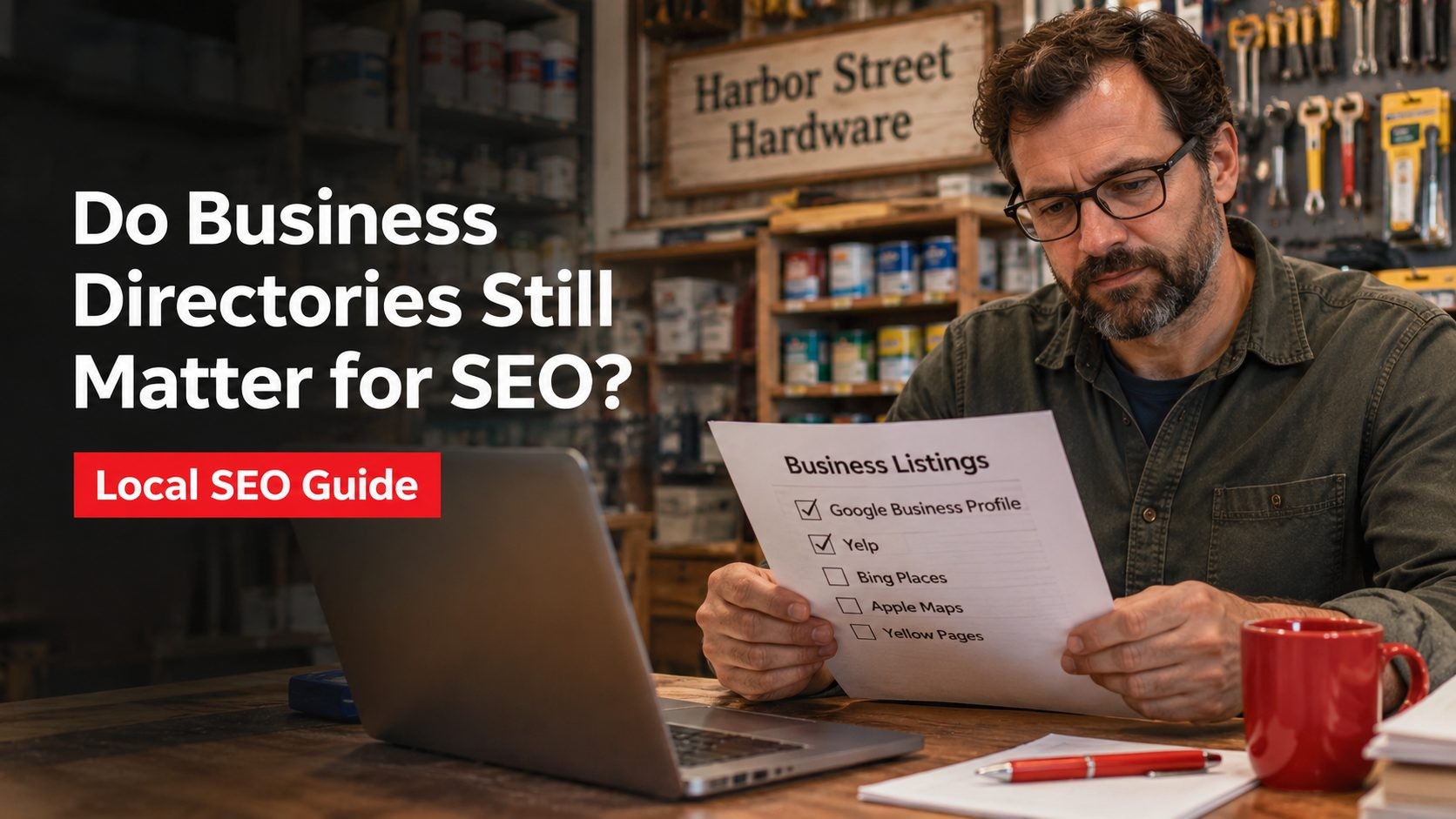
- Choose your platforms sensibly. Customers may look for you on Google Business Profile (if eligible), on a general review site such as Trustpilot, in marketplace seller ratings, or on a directory and review platform such as Clutchpilot, which describes itself as a free business review platform where companies can list themselves. Pick two or three you can keep up with.
Our article on why online reviews matter for businesses in Pakistan goes deeper.
7. Link Building & Outreach
Links from other sites remain a way Google finds pages and judges their standing. Sensible sources include local blogs and creators who review your products, the brands you stock, relevant directories (see business directories and SEO), and guest posts written to help readers. Be careful with paid links: Google's spam policies treat buying or selling links to influence rankings as link spam, and paid links should carry rel="nofollow" or rel="sponsored".
8. Monitor & Improve SEO Performance
SEO is ongoing. Each month, check Google Analytics and Google Search Console for organic traffic, queries, impressions, clicks and conversion rates, and use Ahrefs or a similar tool if you want rank tracking. Note every significant change, such as a new template or batch of redirects, so you can link later traffic shifts to a cause.
Common Mistakes to Avoid in E-commerce SEO Pakistan
- Ignoring mobile users. A store that is awkward on a small screen loses sales as well as rankings. Test checkout and filters on a real handset.
- Duplicate content. Copied manufacturer text and several URLs for one product split your signals. Write unique copy and add a self-referencing canonical tag, as Google's e-commerce guidance suggests.
- Messy URLs. Keep tracking codes and session IDs out of internal links, and use one form of each URL everywhere.
- Neglecting reviews. A product page with no feedback gives a hesitant buyer nothing to go on.
- Empty category pages. Google suggests a
noindextag for an empty category, or a 404 if the category is removed.
Tools and Resources for E-commerce SEO in Pakistan
- Keyword research: Google Keyword Planner, Ahrefs, Semrush
- Technical SEO: GTmetrix, PageSpeed Insights, Screaming Frog
- Content optimization: Yoast SEO (WordPress), SurferSEO
- Reviews: Google Business Profile, Trustpilot, Clutchpilot and marketplace seller ratings
- Analytics: Google Analytics, Google Search Console
Where to Start
You do not have to do everything at once. Fix crawl and speed problems first, rewrite your top 10 product and category pages next, then add a guide a month while you collect real reviews. Our list of top SEO mistakes that are killing your traffic works as a checklist for the first audit.
Related reading: 20 best websites to earn money online in Pakistan · K-Electric FY24 earnings and what they mean for Karachi
Frequently Asked Questions
No Tags

Comments (0)