
- Digerati
- Digital Marketing
- 136
- 0
Running a small business means wearing every hat. You answer the phone, ship the orders, fix the website, and somewhere between those jobs you are supposed to find new customers. Marketing often slides to the bottom of the list, even though the people you want to reach are already searching, scrolling, and comparing options online before they ever speak to you.
That is where digital marketing for small business comes in. It gives you a practical way to get found, build trust, and win customers without a huge budget or a team of specialists. In this guide, you will learn what digital marketing is, why it matters, which channels deserve your attention first, and how to build a simple six-step plan you can start this week.
Key Takeaways
- Digital marketing means promoting your business through online channels such as search engines, social media, email, and websites.
- You do not need to use every channel. Start with two that match where your customers already spend time.
- Local SEO, a complete Google Business Profile, and genuine customer reviews are often the fastest wins for local businesses.
- A starter budget can be small, as long as you set clear goals and track results every month.
- The first step is simple: know your customer, pick one goal, and measure it.
What Is Digital Marketing for Small Business?
Digital marketing for small business is the practice of using online channels and tools to attract, engage, and keep customers. Those channels include your website, search engines, social media platforms, email, online ads, review sites, and online directories. The goal is the same as any marketing: help the right people find you, trust you, and buy from you.
A Simple Definition
Digital marketing is any effort to promote your products or services through the internet and connected devices. For a small business, that might mean showing up on Google when someone nearby searches for your service, sharing useful posts on social media, or sending a friendly monthly email to past customers. If it happens online and it helps customers discover or choose you, it counts.
Digital Marketing vs Traditional Marketing
Traditional marketing covers flyers, radio spots, billboards, and print ads. Digital marketing lives online. The biggest difference for a small business is how much control and feedback you get.
| Factor | Traditional marketing | Digital marketing |
|---|---|---|
| Cost | Often high upfront | Can start very small |
| Targeting | Broad, based on location or media audience | Specific, based on interests, searches, and behavior |
| Measuring results | Hard to track | Easy to track with analytics |
| Speed of changes | Slow and costly | Fast and often free |
| Customer conversation | One way | Two way through comments, messages, and reviews |
Neither approach is wrong. A local bakery might still hand out printed coupons. But even that bakery gains from a Google Business Profile and an Instagram page, because that is where many customers look first.
How Digital Marketing Works
Think of digital marketing as a journey with four stops. First, awareness, where someone discovers you through a search, a post, or a friend's recommendation. Second, consideration, where they visit your website, read reviews, and compare you with others. Third, conversion, where they call, book, or buy. Fourth, loyalty, where good service and follow-up turn them into repeat customers who tell others.
Each channel supports a different stop. SEO and social posts build awareness, reviews and content help with consideration, clear calls to action drive conversion, and email keeps people coming back.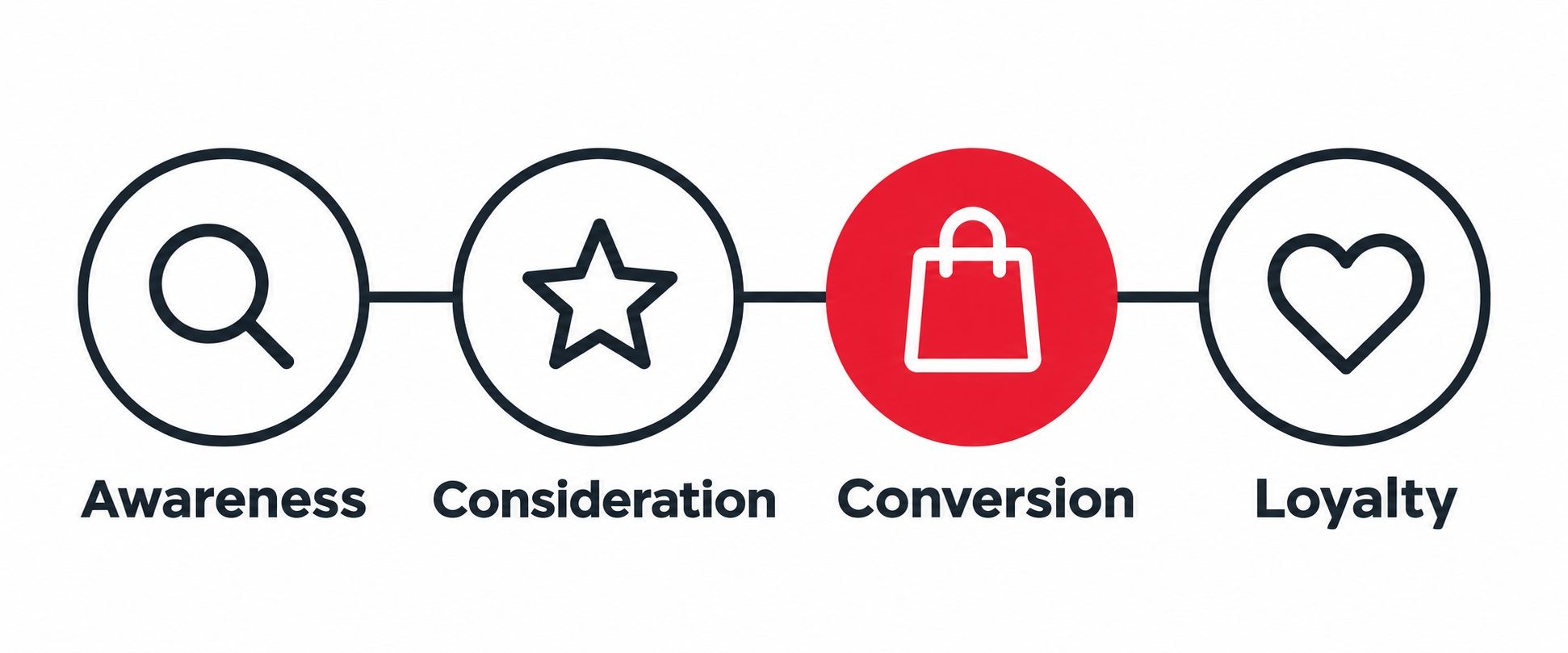
Why Digital Marketing Matters for Small Businesses
Customers do not wait for your ad to arrive in the mail anymore. They pull out a phone, type a question, and choose from whatever shows up. If your business is missing from that moment, a competitor takes the sale.
It Levels the Playing Field
A national brand can outspend you on advertising, but it cannot outcare you in your own community. Digital marketing lets a small shop compete by being specific, local, and personal. A neighborhood plumber who answers questions on Google and collects honest reviews can outrank a big company for searches in their own town.
It Is Cost-Effective and Measurable
You can start with free tools such as a Google Business Profile, a social media account, and a simple email list. Paid options let you set a daily limit, so you never spend more than planned. Even better, analytics show which efforts bring calls and sales, so you can stop paying for what does not work and do more of what does.
It Reaches Customers When They Search
Search is a moment of intent. Someone typing "emergency dentist near me" or "best wedding photographer in Austin" is ready to act. Appearing in those results puts you in front of people who already want what you sell, which is very different from interrupting strangers with an ad.
It Builds Trust and Loyalty
Reviews, helpful content, and quick replies on social media all show that real people stand behind your business. Trust is a major factor when buyers choose between similar options, and it is something small businesses can earn faster than large ones. If you want to go deeper on this, read our guide on how to build trust online with reviews.
Main Types of Digital Marketing for Small Business
There are many channels, and trying all of them at once is the fastest route to burnout. Treat this list as a menu. Pick two that fit your customers, do them well for a few months, and then expand.
Search Engine Optimization (SEO)
SEO is the work of making your website easier for search engines to understand and more useful to visitors, so it appears higher in unpaid results. It covers the words on your pages, your site structure, page speed, mobile friendliness, and links from other websites.
For a small business, start with the basics. Make sure each service has its own page, write clear titles and descriptions, and answer the questions customers actually ask. Google publishes a helpful resource called Google's SEO Starter Guide that explains the fundamentals in plain terms. You can also learn how business listings support your rankings in our article on the small business SEO directory strategy.
SEO takes time, often several months, but the traffic it brings does not stop when you stop paying, which makes it one of the best long-term investments.
A simple way to begin is to work through a short list:
- Write one page for each main service or product, using the words customers actually use.
- Give every page a clear title and a short description that tells people why to click.
- Add helpful photos with descriptive file names and alt text.
- Link related pages together so visitors and search engines can move around easily.
- Fix anything slow, broken, or hard to use on a phone.
Notice that none of these steps require a technical background. They simply require patience and a habit of thinking from the customer's point of view.
Local SEO and Google Business Profile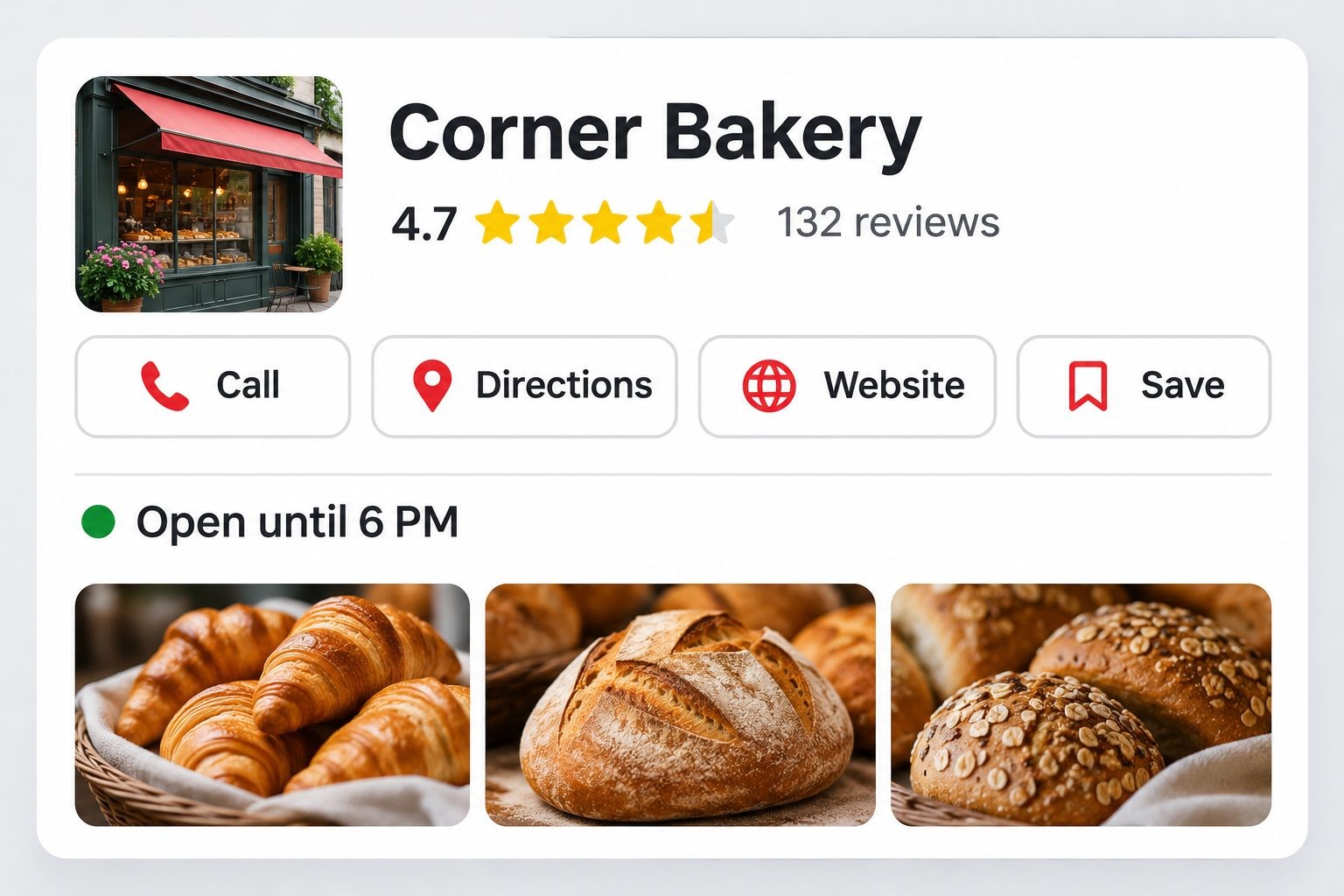
If customers find you by location, local SEO may be your single most valuable channel. It focuses on appearing in map results and "near me" searches. The center of it is your Google Business Profile, the free listing that shows your hours, photos, reviews, and contact details.
Fill in every section, choose accurate categories, add real photos, and keep your name, address, and phone number identical everywhere online. Google explains how to improve your local ranking on Google, and it states that relevance, distance, and prominence all play a role. Keep your profile alive after the first setup. Post updates about offers and events, answer questions people leave, upload fresh photos every month, and update your hours before holidays. An active profile tells customers you are open for business and gives Google more reason to trust your information.
Local listings and local SEO also reinforce each other, which we cover in how local SEO and business listings work together. If you are curious about options beyond Google, see these alternatives to Google My Business.
Content Marketing and Blogging
Content marketing means creating useful material that answers customer questions, such as blog posts, guides, checklists, short videos, and FAQs. Instead of saying "buy from us," you say "here is how to solve your problem," and the sale follows naturally.
A roofing company could publish "How to tell if your roof needs repair or replacement." An accountant could write "What records to keep for a home business." Each helpful page can bring in visitors for years. If you are ready to begin, this guide shows how to start a blog and make money from it. Aim for quality over volume. One honest, detailed article each month beats ten thin posts.
A good habit is to reuse what you create. A single blog post can become a short video, three social posts, a section of your next newsletter, and an answer on your FAQ page. This saves time and keeps your message consistent across channels. To find topics, listen to your customers. The questions they ask on the phone, in emails, and in reviews are a ready-made list of article ideas.
Social Media Marketing
Social media helps you stay visible, show the people behind the business, and talk with customers. The trick is choosing the right platform instead of being everywhere. Restaurants, salons, and boutiques often thrive on Instagram and TikTok because visuals sell. Professional services and B2B companies often find LinkedIn more useful. Local communities may gather on Facebook groups.
Post consistently, reply to comments, and mix helpful tips, behind-the-scenes moments, and customer stories. Treat social media like a conversation at a networking event, not a megaphone.
It also helps to decide in advance what you will not do. You do not have to chase every trend, answer every troll, or post daily. A realistic rhythm you can keep for a year is far more valuable than an ambitious schedule you abandon after three weeks.
Email Marketing
Email lets you speak directly to people who already showed interest, without depending on an algorithm. Collect addresses through a sign-up form, a discount offer, or a free guide, then send useful updates on a steady schedule.
Keep emails short, friendly, and clear about what you want the reader to do. A welcome email that thanks new subscribers and shares your best tip makes a strong first impression, and a simple monthly newsletter keeps you top of mind. As your list grows, group subscribers by interest or past purchases so each person receives messages that feel relevant. Remember that commercial email is regulated, so review the FTC's CAN-SPAM Act compliance guide to be sure you include a real sender identity, a physical address, and an easy way to unsubscribe.
Paid Advertising (PPC and Social Ads)
Pay-per-click advertising places your message in search results or social feeds, and you pay only when someone clicks. It is the fastest way to get visibility, which makes it useful when you are launching a new offer or need leads quickly.
The risk is wasted spend. Start with a small daily limit, target a specific location and a narrow set of keywords, and send clicks to a page built for that offer. Review results weekly and pause anything that burns money without producing leads. Pay attention to the search terms that trigger your ads, because irrelevant clicks can drain a small budget quickly. Adding negative keywords, such as "free" or "jobs" when you sell services, filters out people who were never going to buy.
If you are still deciding where to spend first, read our comparison of SEO vs PPC for small businesses.
Online Reviews and Business Directories
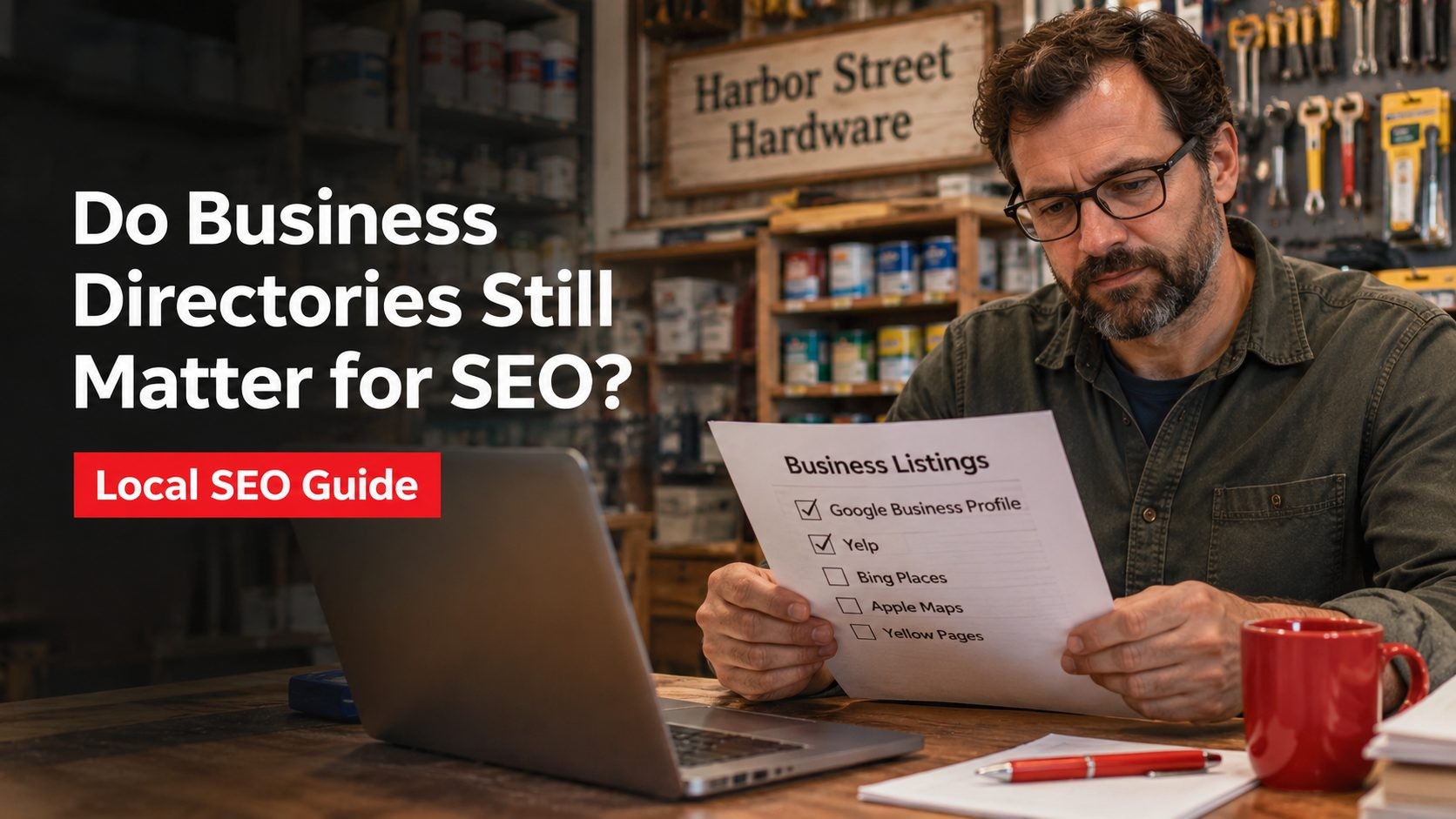
Reviews and directory listings do double duty. They help customers trust you, and they send search engines signals about who you are and where you operate. Ask satisfied customers to leave an honest review, reply to every review politely, and make sure your information is consistent across the major directories.
Directories still matter even in a world of AI and social media, and we explain why in why online directories still matter. Never buy fake reviews. Platforms can remove them and customers can spot them.
Video Marketing and Influencer Marketing
Short videos can explain a product, show your process, or introduce your team in a way text cannot. You do not need a studio. A phone and good lighting are enough to start. Influencer marketing works best at a small scale too. Partnering with a local creator or a niche micro-influencer often costs less and feels more genuine than working with a famous name.
Earned, Owned, and Paid Media Explained
Marketers group digital efforts into three types, and a healthy small business uses a mix.
- Owned media is what you control: your website, blog, email list, and social profiles.
- Earned media is attention you gain without paying directly: reviews, press mentions, shares, and word of mouth.
- Paid media is anything you pay to place: search ads, social ads, and sponsored posts.
A coffee shop shows all three. Its menu page and newsletter are owned, a local blogger's glowing write-up is earned, and a small ad promoting a grand opening is paid. Build owned media first, because it works for you every day, then use paid media to speed things up and earn media by delivering great service.
How to Get Started: A 6-Step Digital Marketing Plan
You do not need a complicated strategy to begin. You need a clear order of operations. Follow these six steps and you will have a working plan.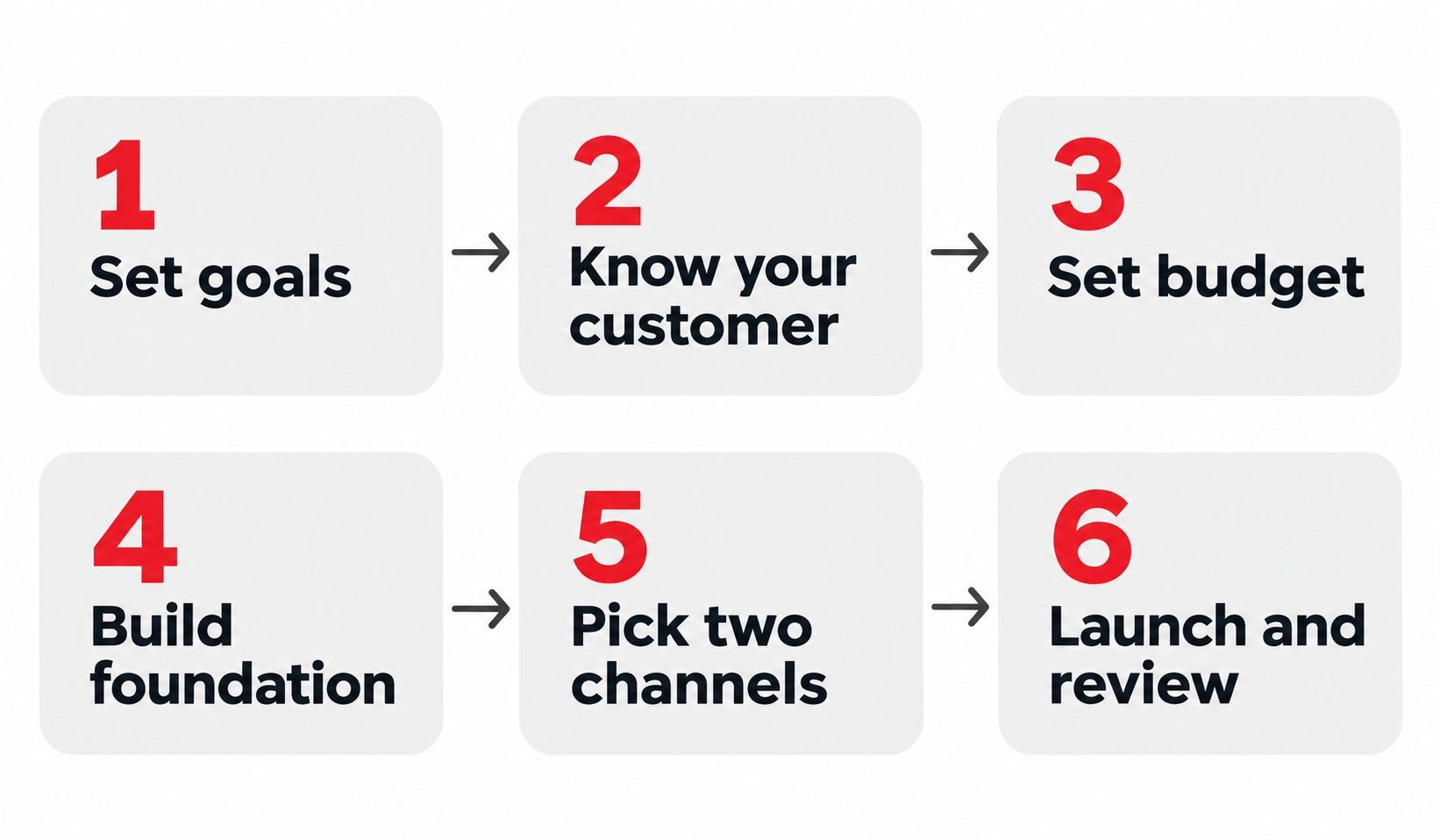
Step 1. Set SMART Goals
Vague goals like "get more customers" are hard to measure. Use SMART goals instead: specific, measurable, achievable, relevant, and time-bound. For example, "Get 20 new quote requests from the website within three months" gives you a target and a deadline. Choose one main goal first. You can add more later.
Step 2. Define Your Ideal Customer
Write a short profile of the person you serve best. Note their age range, location, problems, where they look for help, and what makes them say yes. If you already have customers, look at your best ones and find the pattern. Talk to them if you can. A few honest conversations often teach more than a month of guessing.
Step 3. Set a Realistic Budget
Decide how much money and time you can invest each month. Many small business guides suggest setting aside roughly 5 to 10 percent of revenue for marketing, though newer businesses sometimes spend more while they build awareness. Treat that as a starting point, not a rule. Split the budget between tools, content, and ads, and keep a small amount for testing new ideas.
Step 4. Build Your Foundation
Before you promote anything, make sure the basics work. Your website should load quickly, look good on a phone, and make it obvious how to contact you or buy. Claim and complete your Google Business Profile. Install free analytics such as Google Analytics 4 and Google Search Console so you can see what happens next. Without this base, even great marketing leaks customers.
Step 5. Choose Two Channels and Start
Match channels to your customer and goal. A local service business might choose Google Business Profile and local SEO plus email. An online store might choose Instagram and email. Commit to those two for at least three months, because switching constantly never gives any channel a chance to work.
Step 6. Plan Content, Launch, and Review Monthly
Create a simple calendar with what you will publish, where, and when. Keep it small enough to maintain, such as one blog post, three social posts, and one email per month. Then block an hour each month to review the numbers, decide what to keep, and decide what to change.
A Quick Example of the Plan in Action
Imagine a two-person plumbing company in a mid-sized city. Their goal is 15 new service calls per month within four months. Their ideal customer is a homeowner with an urgent problem who searches on a phone. They set aside a modest monthly budget, fix their slow website, and fully complete their Google Business Profile. They choose two channels: local SEO and a small search ad for emergency calls. Every satisfied customer receives a text asking for a review, and once a month the owners check calls, review counts, and ad costs. After a few months they know which neighborhoods and services bring the most work, and they put more effort there. Nothing about this plan is flashy, yet it is exactly the kind of steady system that grows a local business.
How Much Should a Small Business Spend on Digital Marketing?
There is no single correct number, because it depends on your industry, margins, and growth goals. A common guideline is to put 5 to 10 percent of revenue into marketing, with new or fast-growing companies often leaning toward the higher end.
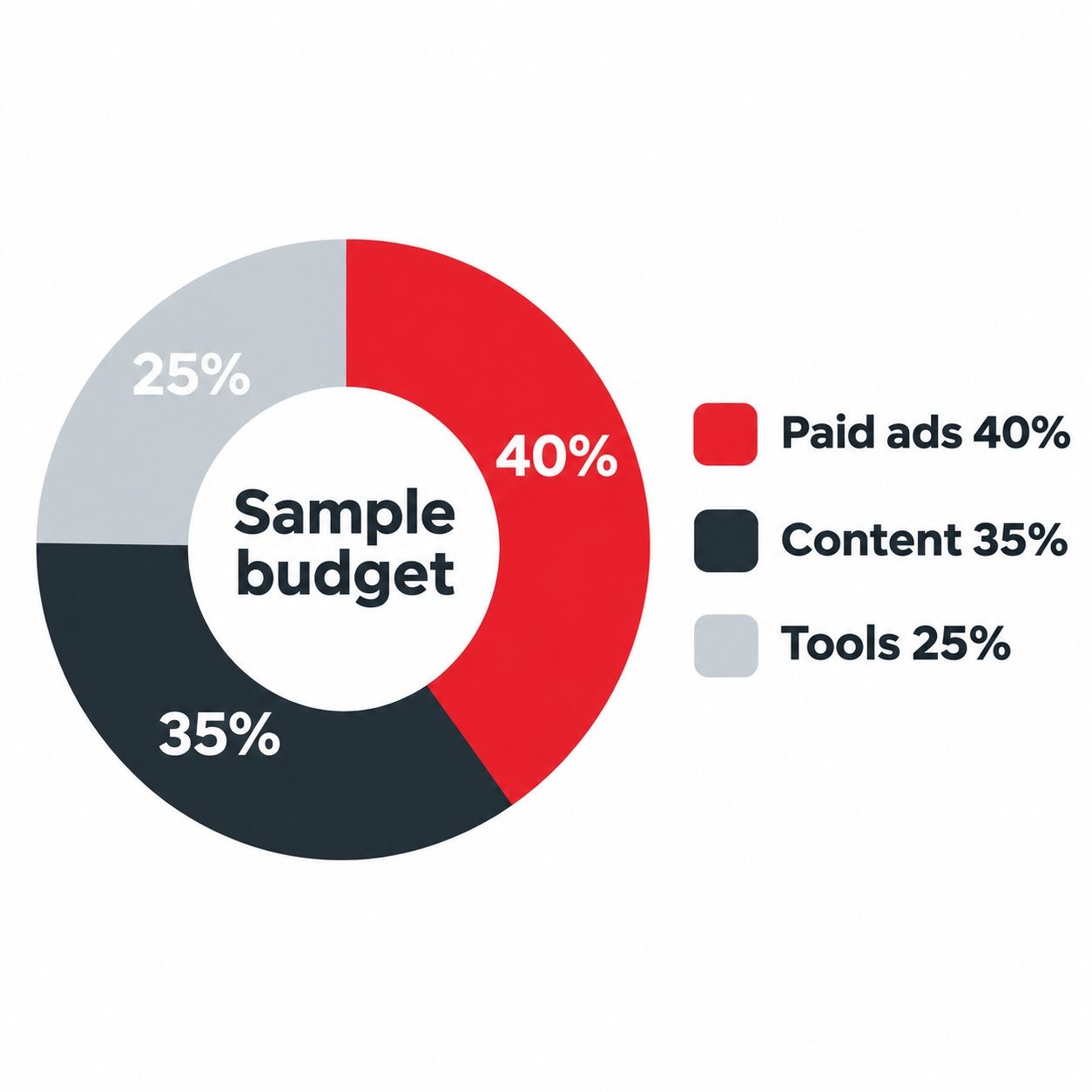
Here is a sample starter plan for a business that has a modest monthly budget:
- Tools and software: a small share for email, scheduling, and design tools, many of which have free plans.
- Content: a portion for a freelance writer, photographer, or video editor if you cannot do it yourself.
- Paid ads: a controlled test budget, starting small and increasing only when you see leads
You also have three ways to get the work done. Doing it yourself costs the least money but the most time. Hiring a freelancer suits specific tasks like writing or ad setup. Working with an agency makes sense when you have a larger budget and want a full team. Many owners start on their own, then outsource the tasks they enjoy least.
How to Measure Digital Marketing Success
Marketing without measurement is guessing. The good news is that digital channels make tracking easier than almost any other form of promotion.
Key KPIs to Track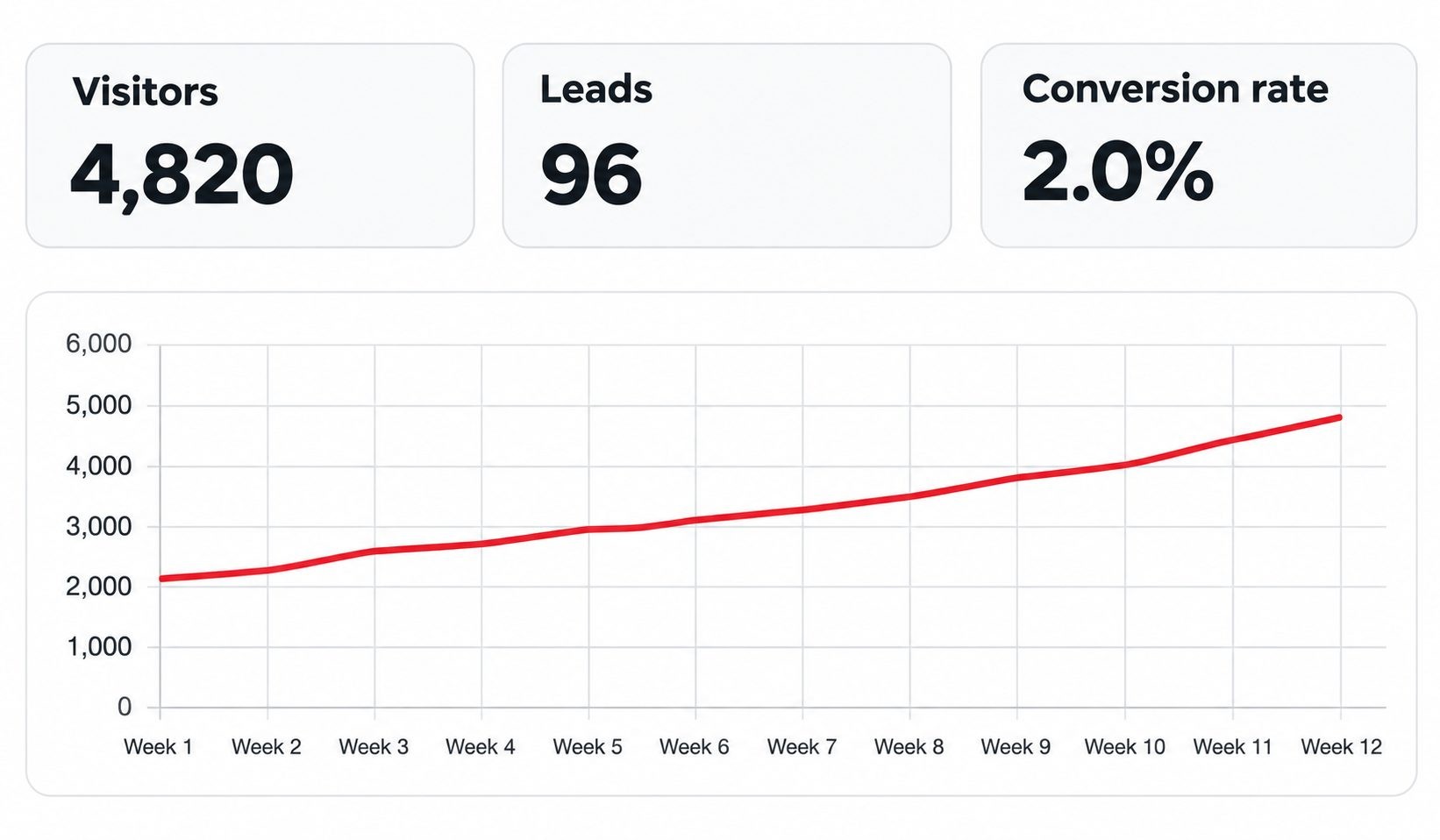
Focus on a handful of numbers tied to real business results:
- Website traffic: how many people visit, and where they come from.
- Leads: form submissions, calls, bookings, and messages.
- Conversion rate: leads divided by visitors, shown as a percentage.
- Cost per lead: total spend divided by the number of leads.
- Customer acquisition cost: total marketing spend divided by new customers won.
- Return on investment (ROI): revenue earned from marketing, minus the cost, divided by the cost.
Here is a simple example. If you spend 500 dollars on ads and they bring 10 new customers, your acquisition cost is 50 dollars each. If each customer is worth 200 dollars in profit, the campaign is clearly worth repeating.
Set Up Free Tracking
Google Analytics 4 shows how visitors behave on your site, and Google Search Console shows which searches bring people to you and whether Google can read your pages. Add simple UTM tags to links in emails and ads so you can see which campaign sent each visitor. Check these tools monthly, not daily, so you can spot real trends instead of reacting to noise. Write down your starting numbers before you begin so you have a baseline to compare against. Without a "before" picture, even real progress is hard to prove.
Using AI in Digital Marketing
AI tools can save a small team hours each week. They can suggest blog topics, draft first versions of emails, summarize customer feedback, and generate variations of ad copy to test. Used well, they free you to focus on strategy and relationships.
Treat AI as an assistant, not a replacement. Always review and edit what it produces, add your own experience and real examples, and check facts before publishing. Content that sounds generic rarely earns trust or rankings.
Practical uses that work well for small teams include turning a long customer email thread into a clear FAQ, asking AI to propose five headline options you can choose from, and having it check your draft for unclear sentences. Avoid pasting private customer details into public AI tools, and be honest in your marketing about what is real. Your experience, photos, and stories are things no tool can fake.
Search is also changing. AI-generated answers now appear above traditional results for many queries, which means clear, well-structured, trustworthy content matters even more. Answer questions directly, keep your business information accurate everywhere, and earn genuine reviews, since these signals help both people and machines understand that you are a reliable choice.
Common Digital Marketing Mistakes to Avoid
Most small business marketing problems come from the same handful of habits. Watch for these.
- Having no clear goal. Without a target, you cannot tell success from busywork.
- Trying every channel at once. Spreading yourself thin leads to weak results everywhere.
- Ignoring local SEO. Local customers are often the easiest to win, yet many owners skip their Google Business Profile.
- Skipping tracking. If you cannot see what works, you cannot improve it.
- Neglecting reviews. Unanswered or unrequested reviews cost you trust and visibility.
- Posting without a plan. Random, irregular content builds no momentum.
- Forgetting mobile visitors. If your site is slow or awkward on a phone, many visitors leave immediately.
The good news is that every one of these is fixable. If you are unsure where to begin, start with tracking and your Google Business Profile, because they make every later decision easier and cost almost nothing.
Search mistakes can be especially costly because they quietly reduce your traffic. For a deeper look, read about common SEO mistakes that hurt traffic and fix them early.
Tools to Help You Get Started
You do not need an expensive software stack. Choose one tool per job and learn it well.
- Analytics: Google Analytics 4 and Google Search Console, both free.
- Email marketing: Mailchimp, MailerLite, or Constant Contact for sign-up forms and newsletters.
- Design: Canva for social graphics, flyers, and simple branding.
- Social scheduling: Buffer or Later to plan posts ahead.
- SEO research: Ahrefs, Semrush, or free keyword tools to find what customers search for.
- Customer management: a simple CRM such as HubSpot's free plan to track leads and follow-ups.
Check current pricing before you commit, because plans and free tiers change often.
Frequently Asked Questions
Conclusion: Start Small and Keep Going
Digital marketing for small business does not require a big team or a big budget. It requires knowing your customer, choosing a few channels, setting a clear goal, and checking the numbers regularly. Begin with your Google Business Profile and a simple website, add one or two channels, and improve a little each month.
Pick one step from the six-step plan today and finish it before the week ends. Small, steady actions add up to a business that customers can find, trust, and recommend.
No Tags

Comments (0)